
How Pitchwolf works
Film one ball. Get your report. Train the fix. See the change.
Film one ball
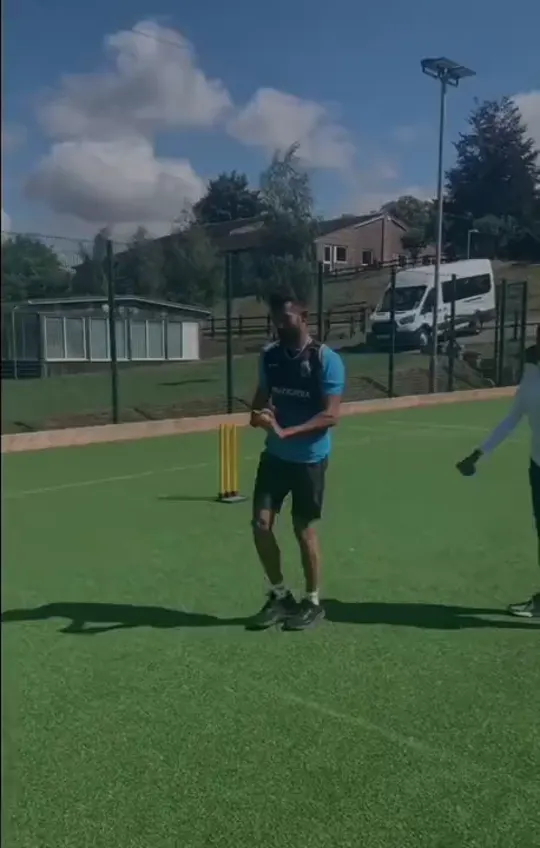
Your phone, slow motion on. One delivery is one analysis.
- Side-on and squareLevel with the crease, 3 to 6 m away, phone still.
- Slow motion on120 or 240 fps. Upload the original file.
- The whole actionFrom the stride before your jump to the follow-through.
- Good lightDaylight or bright nets. Not into the sun.
AI reads your action
Every joint, every frame, from run-up to release.
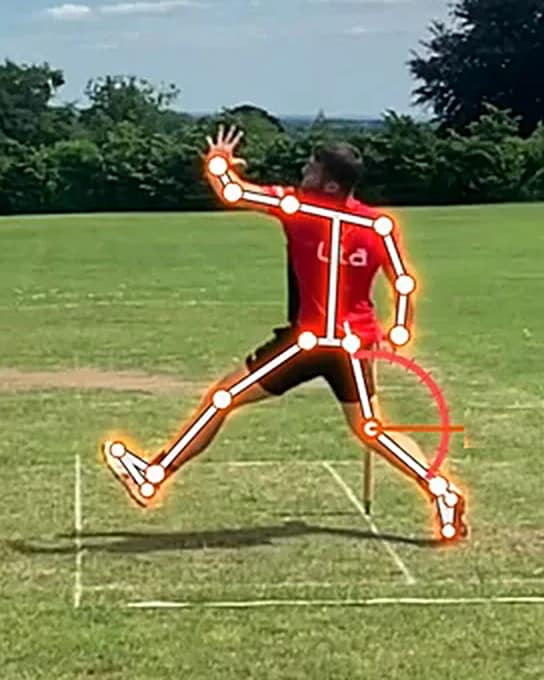
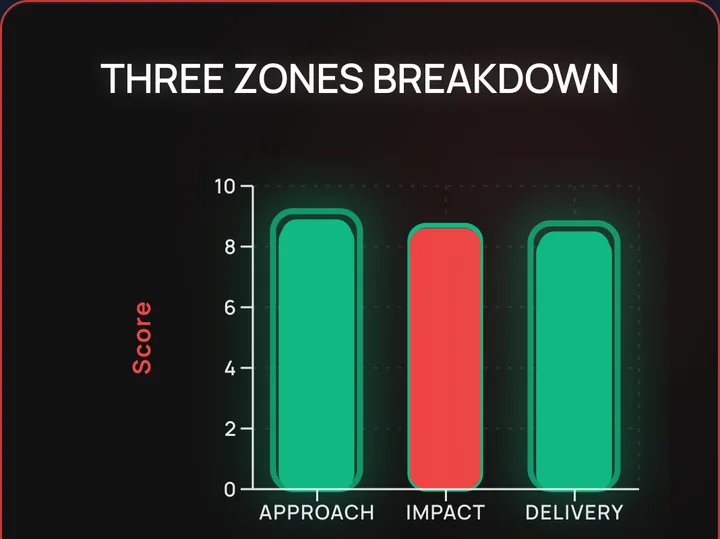
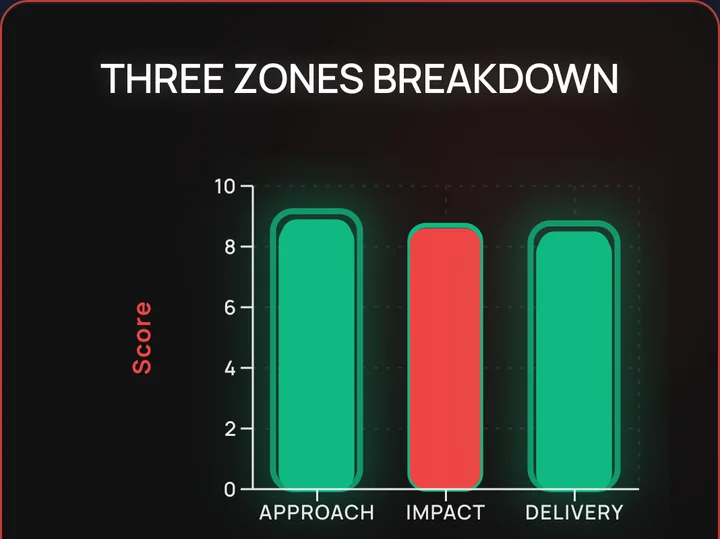
- ApproachRun-up, the stride into your jump, the jump
- ImpactBack foot lands, stride, chest drives forward
- DeliveryFront foot braces, arm comes over, release
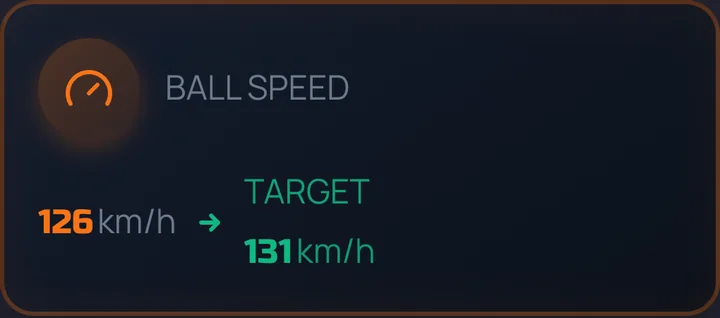
- Your ball speed is measured from the same video.
Your report
Within 24 hours. Every number against its target, and what to fix first.
11 measurements of your action
- Ball speed135km/h, measured from one phone video
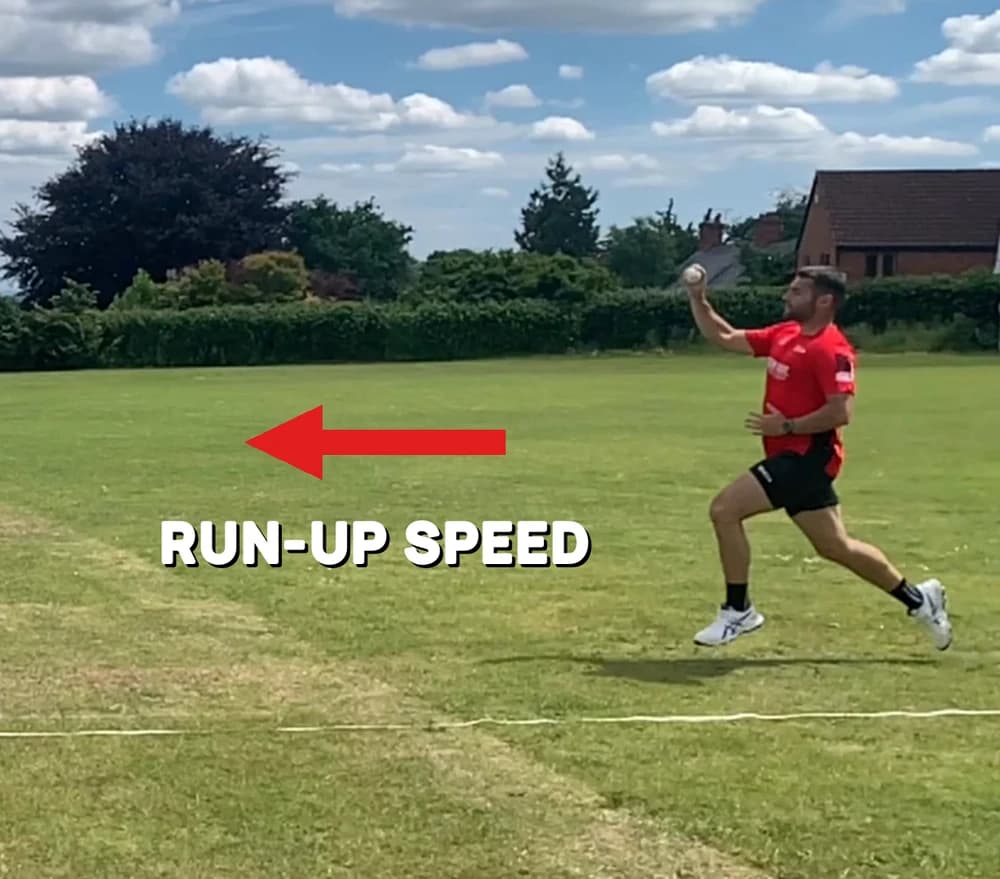
Run-up speedApproach How fast you arrive at the crease.
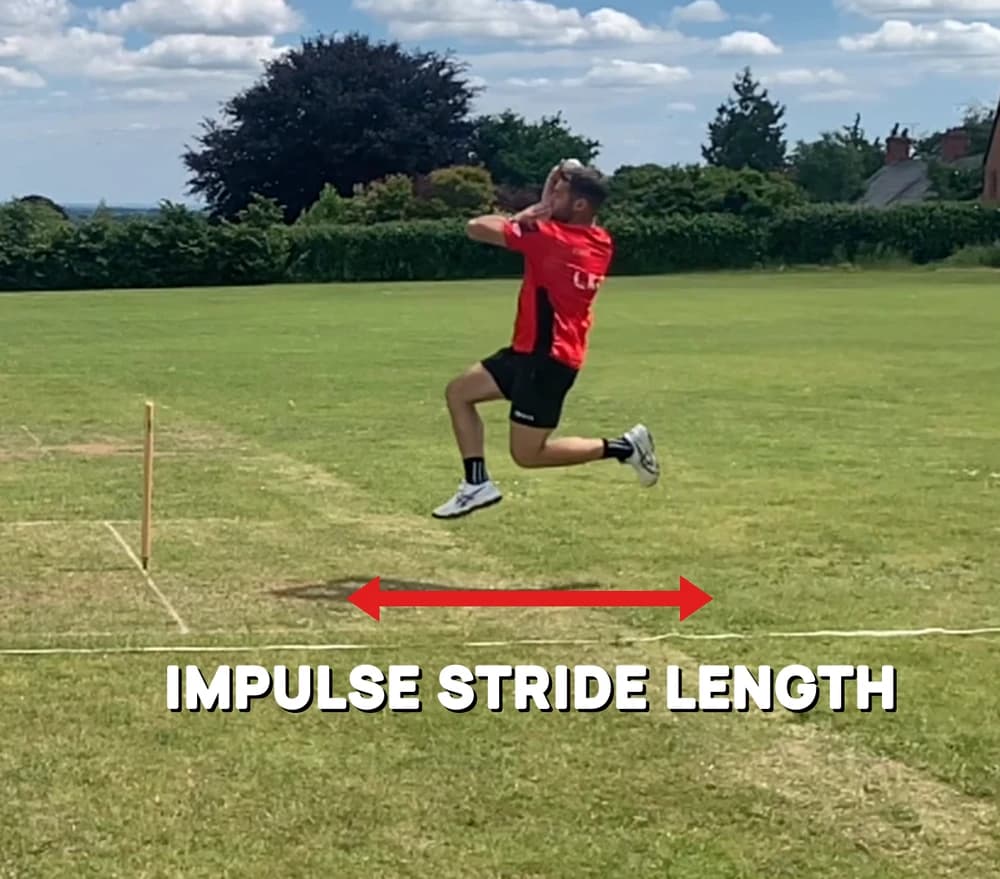
Impulse stride lengthApproach The stride into your jump.
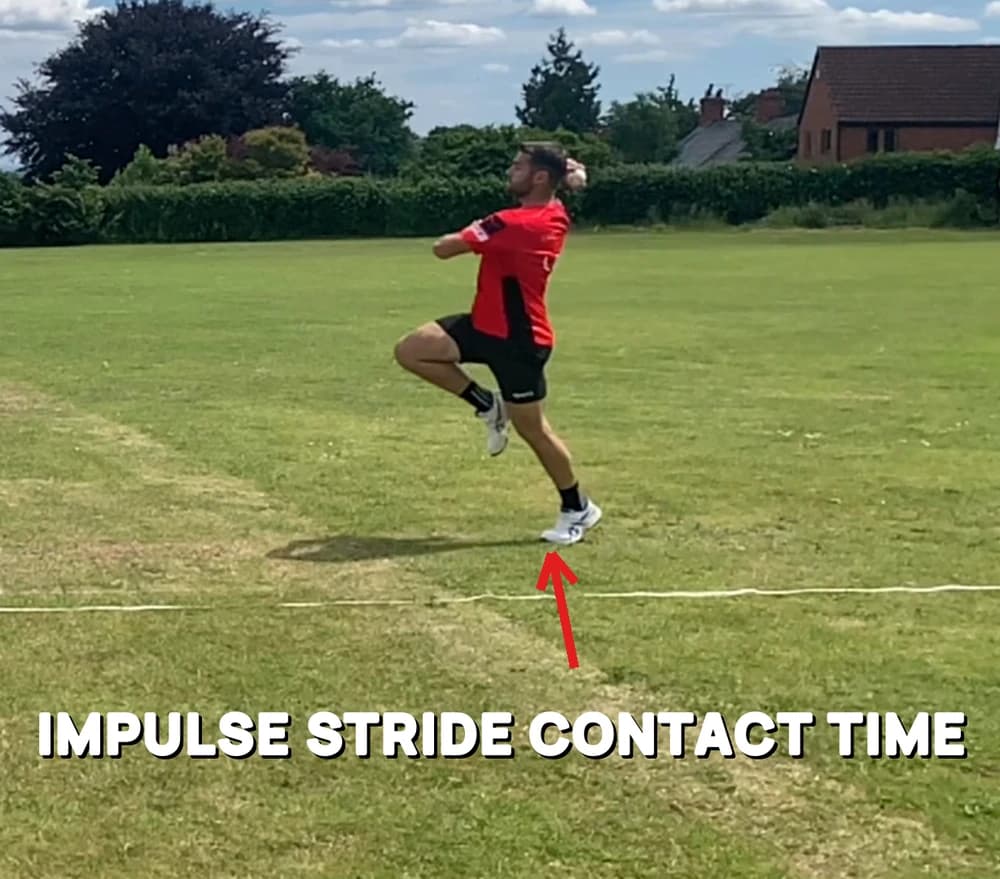
Impulse stride contactApproach How quickly you spring off that stride.
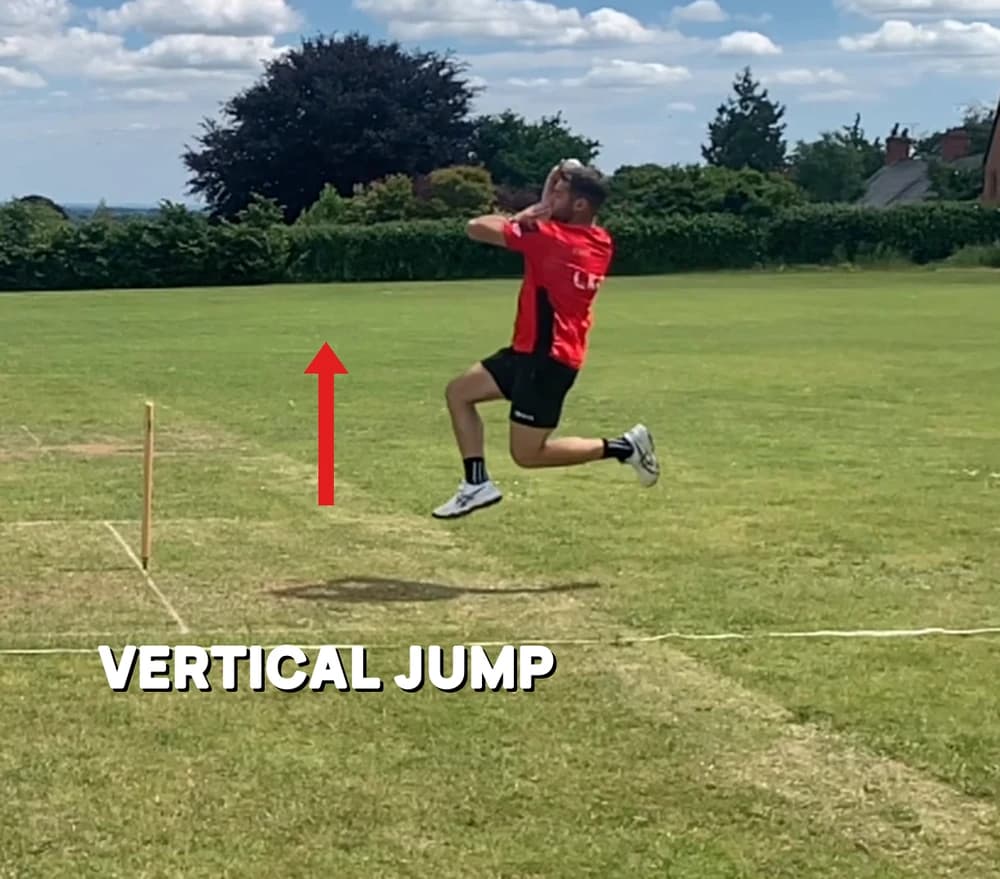
Vertical jumpApproach How high your body rises into the jump.
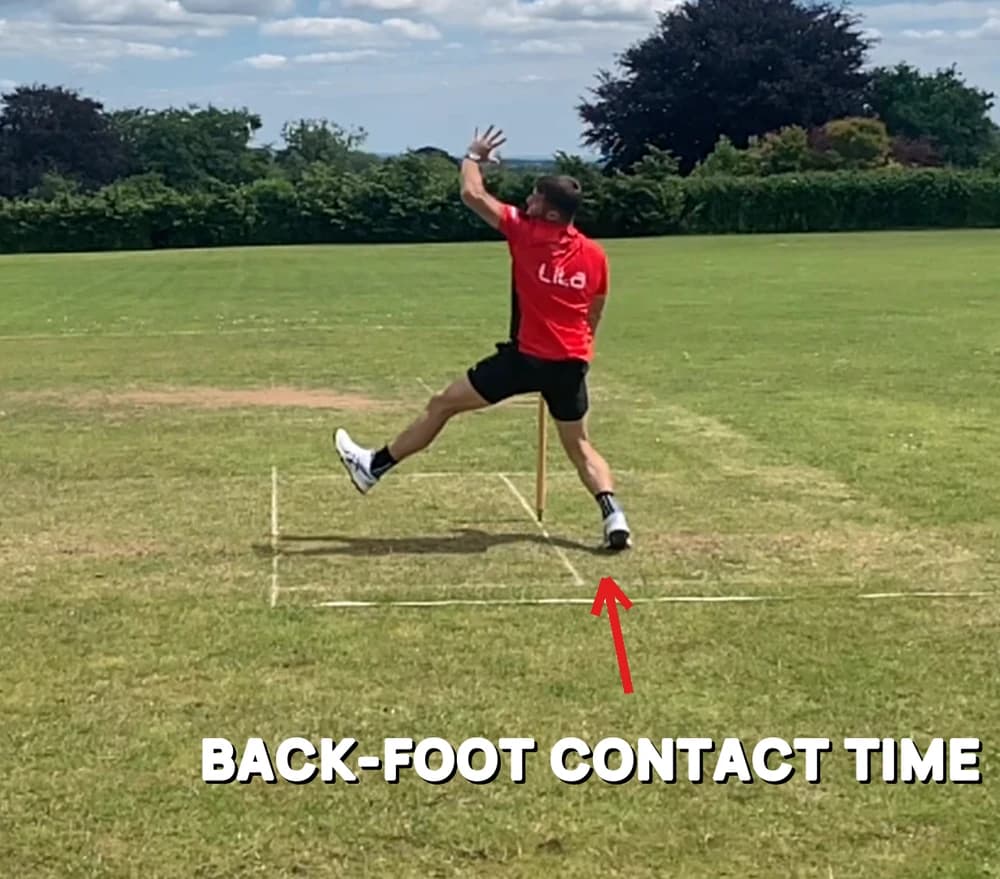
Back-foot contactImpact How long your back foot stays down.
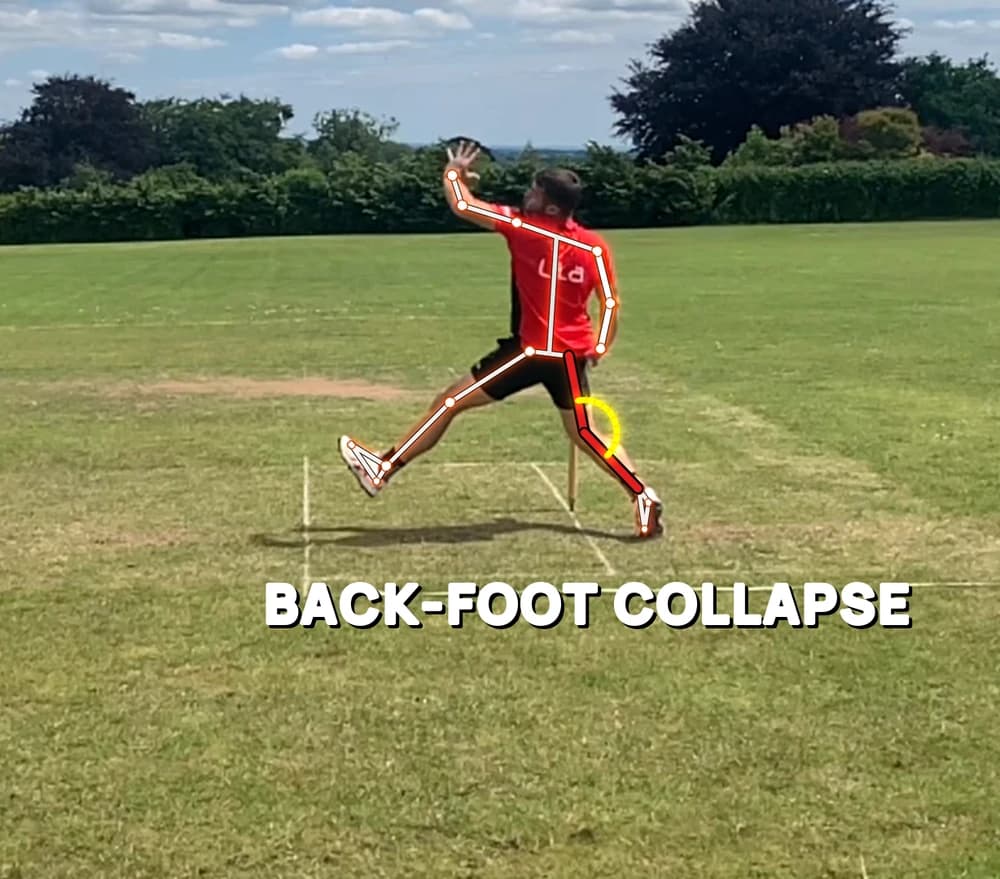
Back-leg collapseImpact How much your back knee folds on landing.
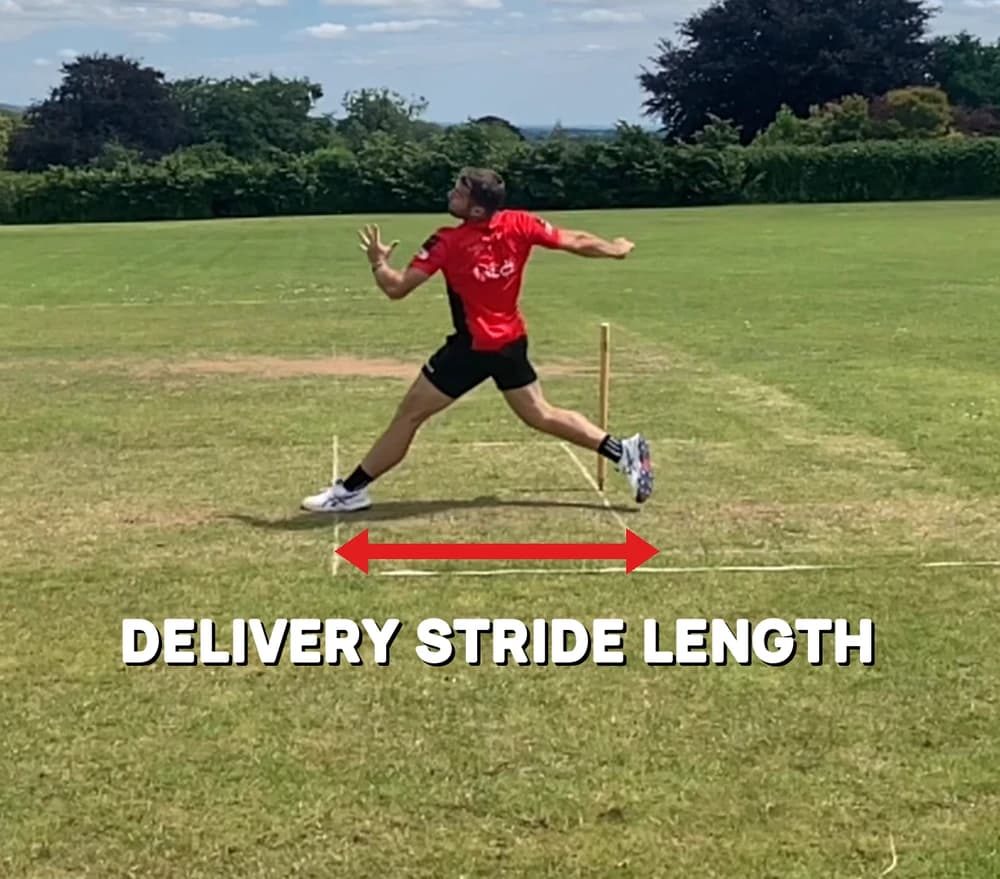
Delivery strideImpact From back foot to front foot.
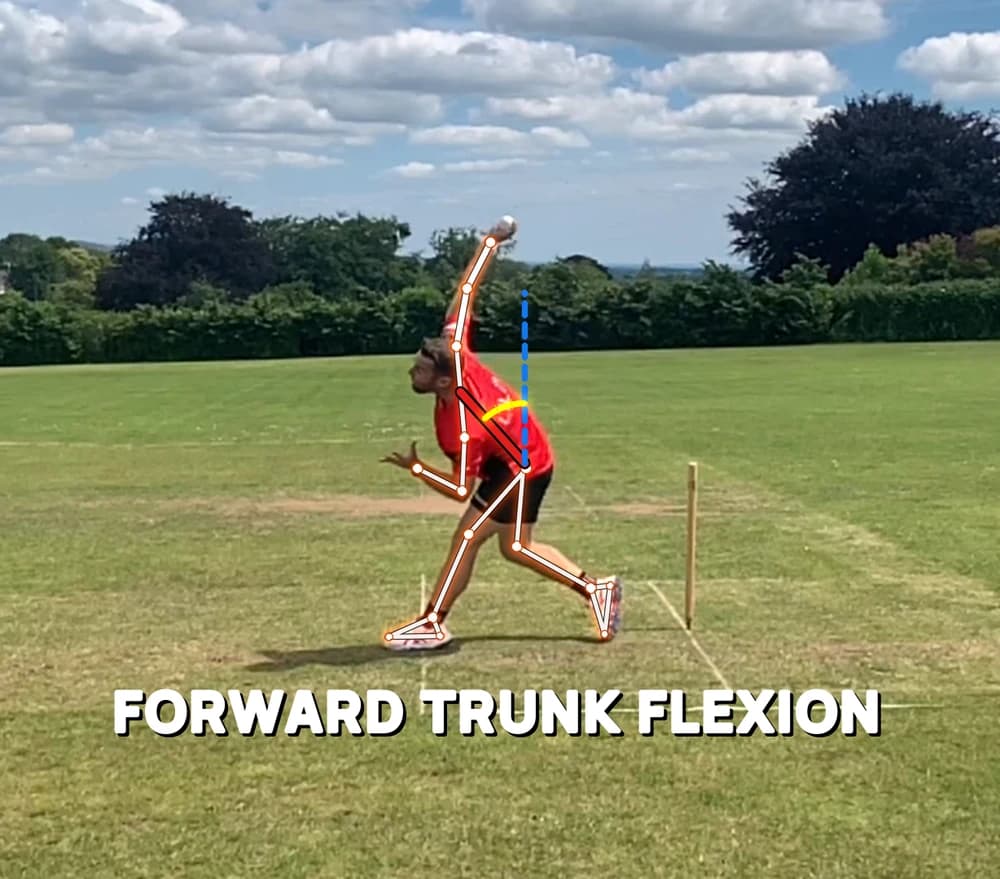
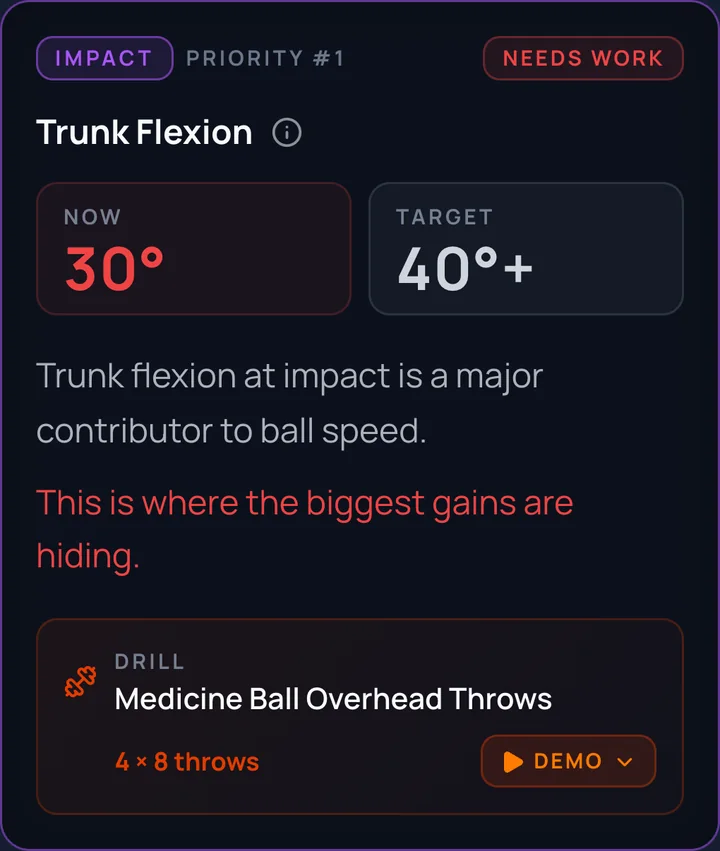
Trunk flexionImpact How far your chest drives forward.
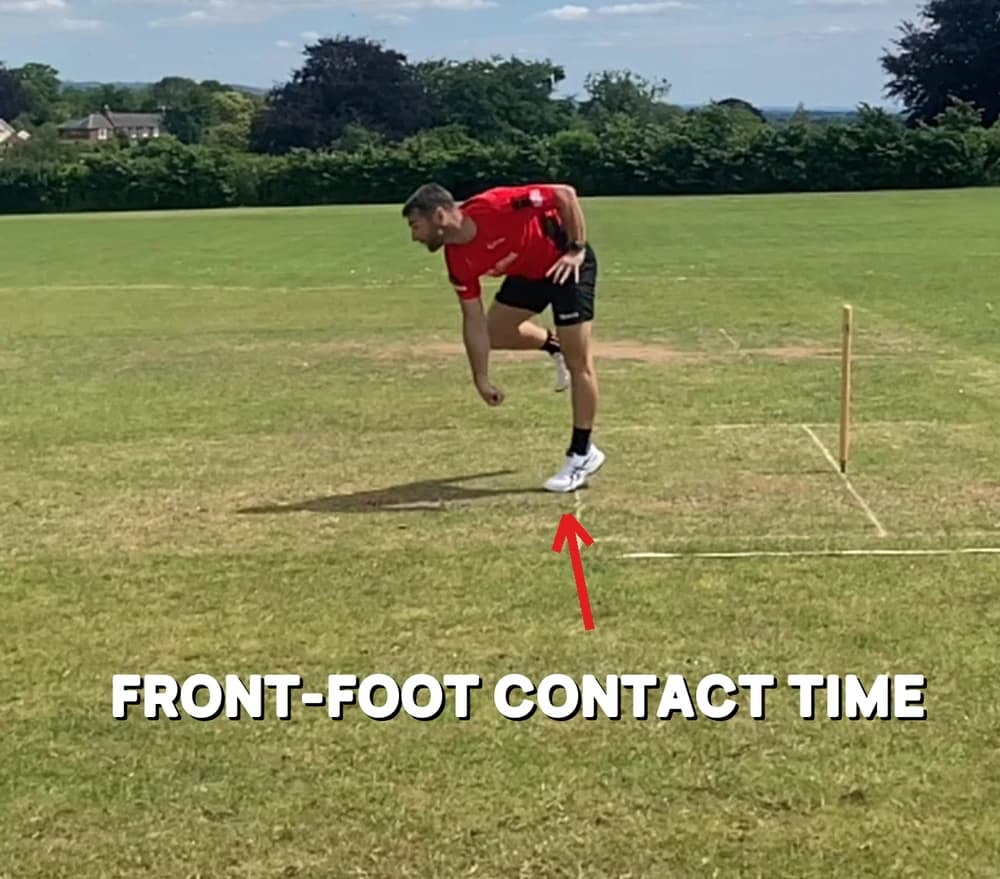
Front-foot contactDelivery How long your front leg braces.
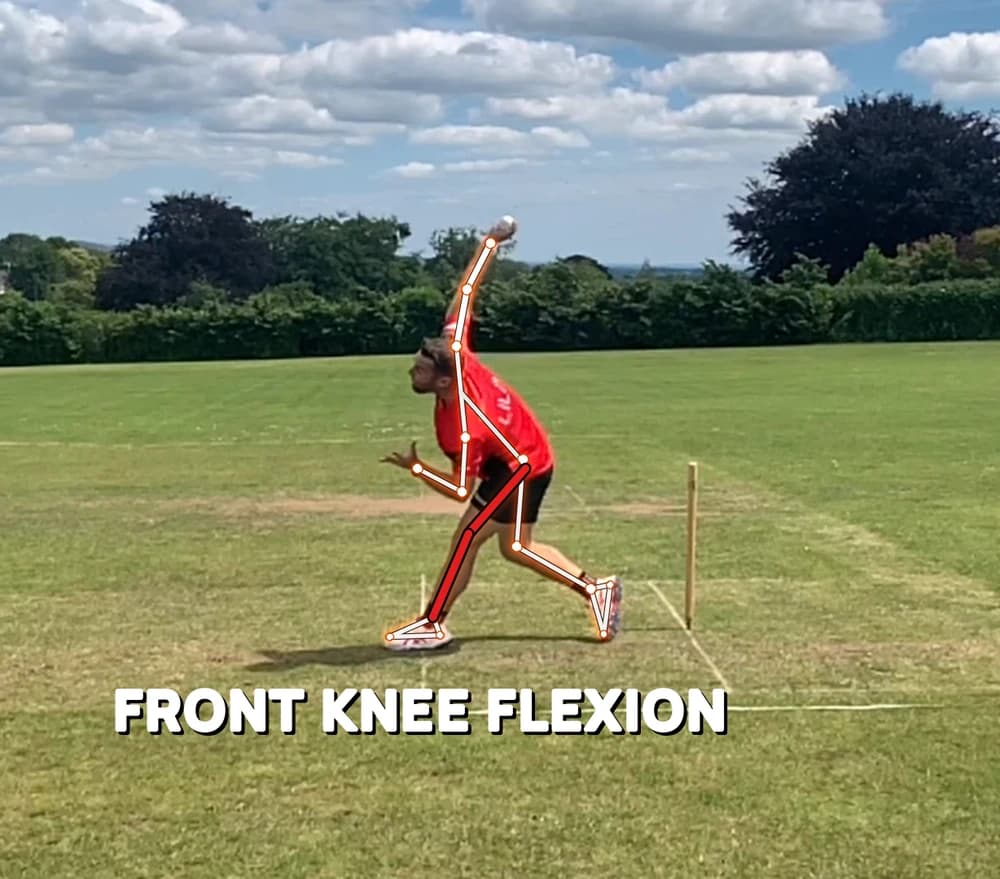
Front kneeDelivery How much your front knee bends after landing.
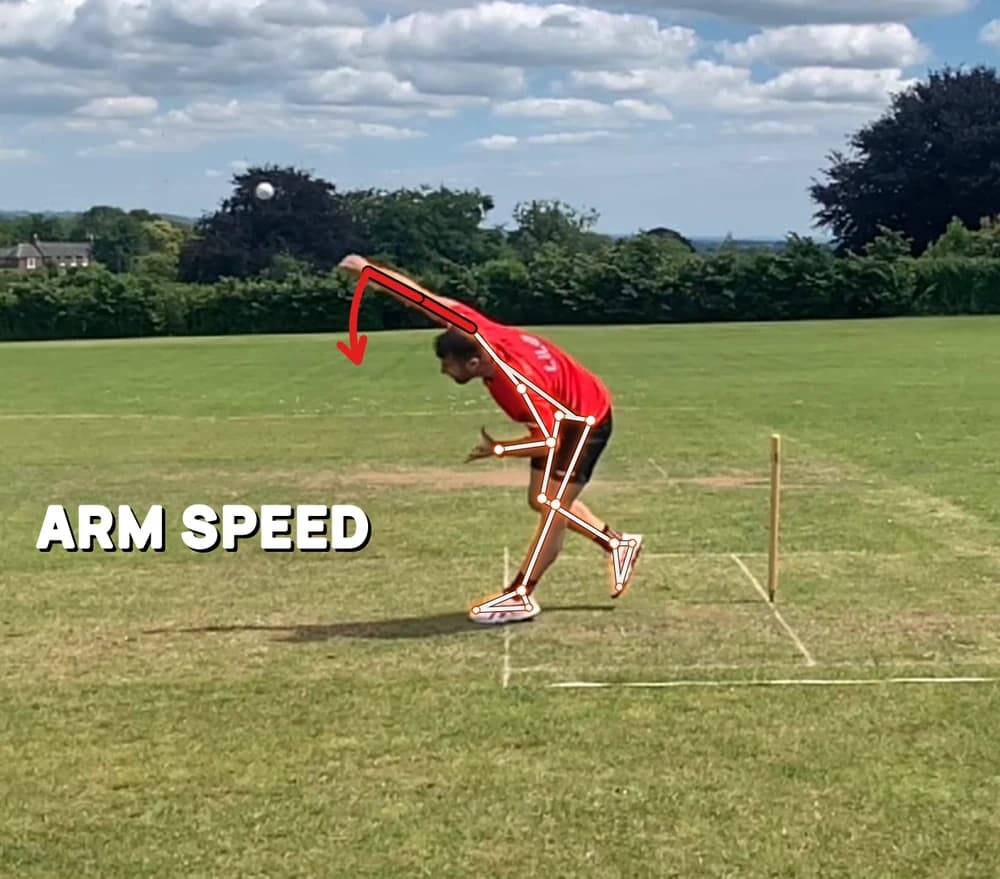
Arm speedDelivery How fast your bowling arm turns over.
Your 3-month plan
A month of training at a time, built around what your analysis finds.
Strength and positions: the base your pace sits on.
Sprints, jumps and Run and Gun turn the strength into speed.
Less volume, more speed: sharp for match day.
Every exercise and drill comes with a video
- RDL into bowling
- Medicine ball throws
- Barbell hip thrust
- Pogo jumps
See the change
Re-test each month. Every check lands on one chart, next to the last.
- Speed over timeBall speed plotted at every check.
- Your action over timeFront knee, release height and side bend, charted.
- A progress reportDownload it as a PDF to share with your coach.
Everything in one app
The report is the start. Train, log and track every session in the same app.
Analyse
Ball speed and 11 measurements from one ball, plus an Injury Scan from behind.
Train
A 3-month plan built on your numbers, with a video for every exercise.
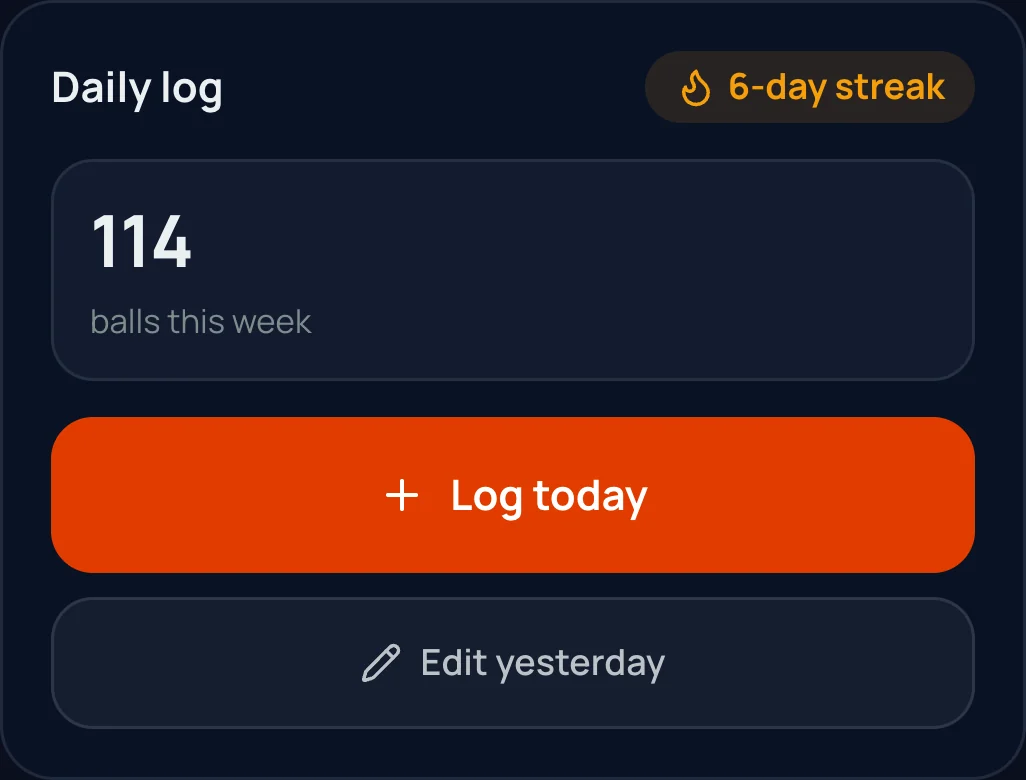
Log
Log a session in three taps, keep your streak and watch your weekly load.
Track
Re-test each month and see your speed and your action change.
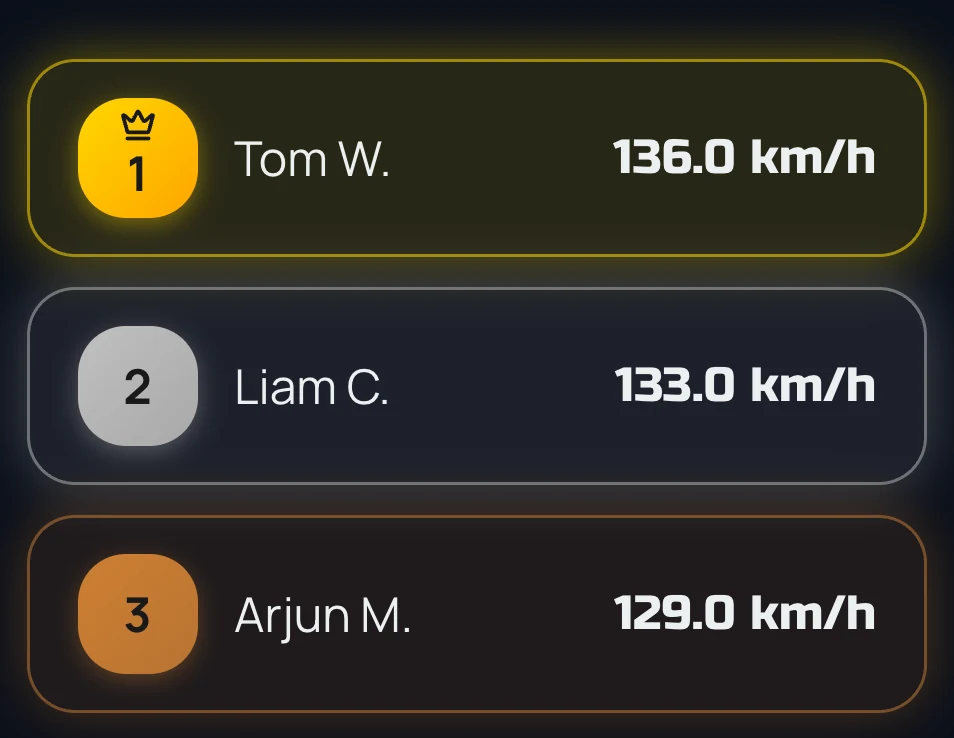
Compete
Leaderboards for top speed, and badges from the 100 Club to the 140 Club.
Ask and learn
Ask Wolf about any number, and nine Academy courses on fast bowling.
Your whole squad, ranked and tracked
Add your bowlers, upload for any of them, see who needs attention, and rank the squad on speed and technique.
Guides for coaches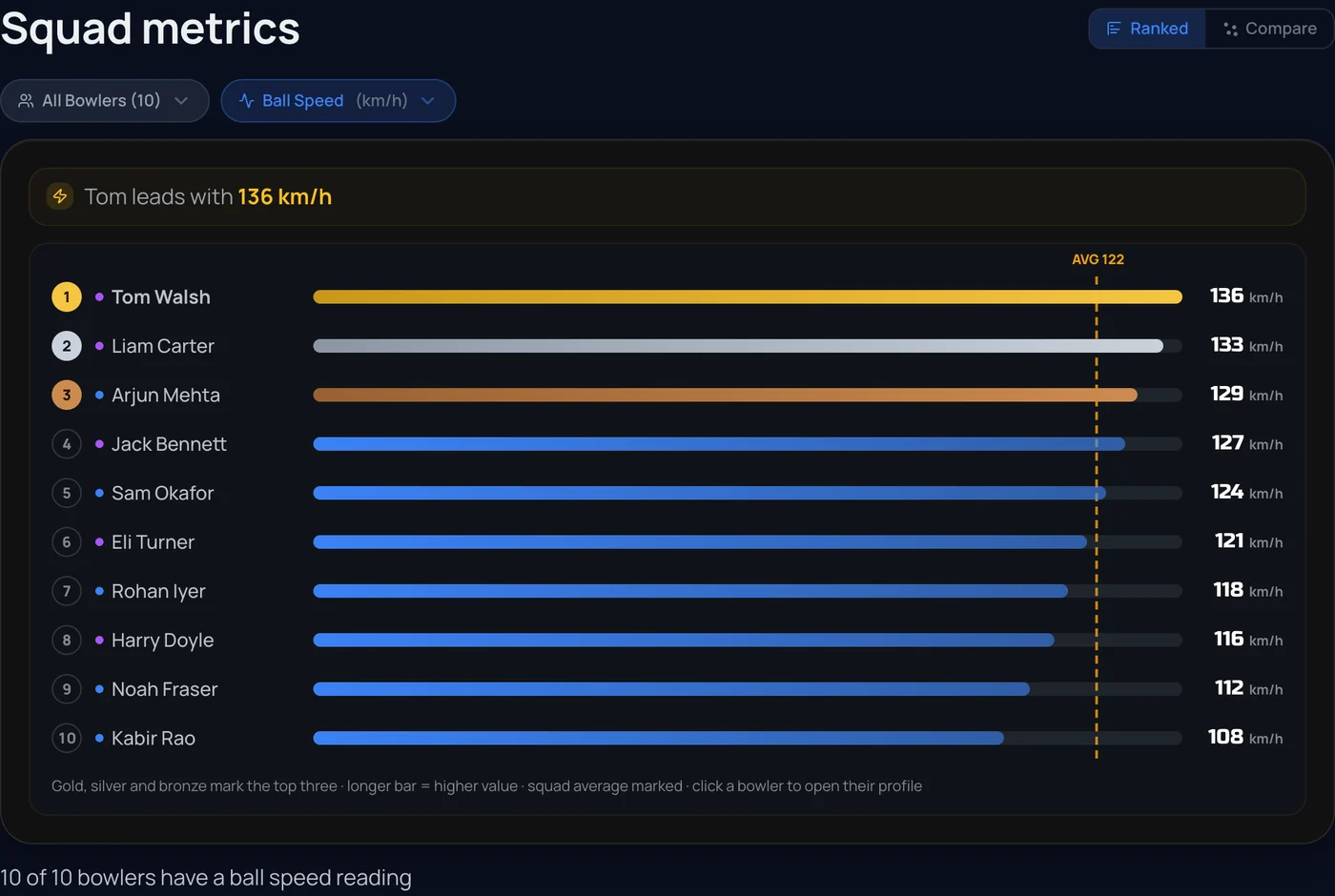
The Injury Scan
Filmed from behind. Scores how your back is loaded as you bowl.
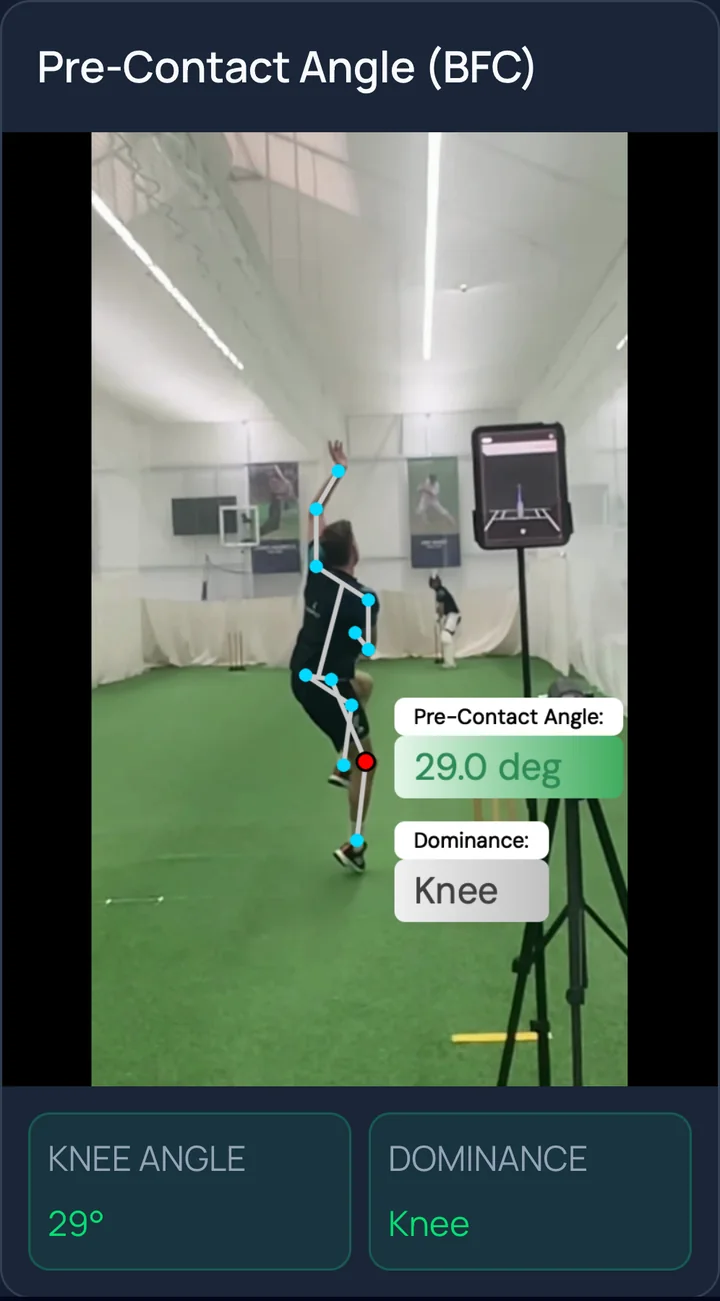
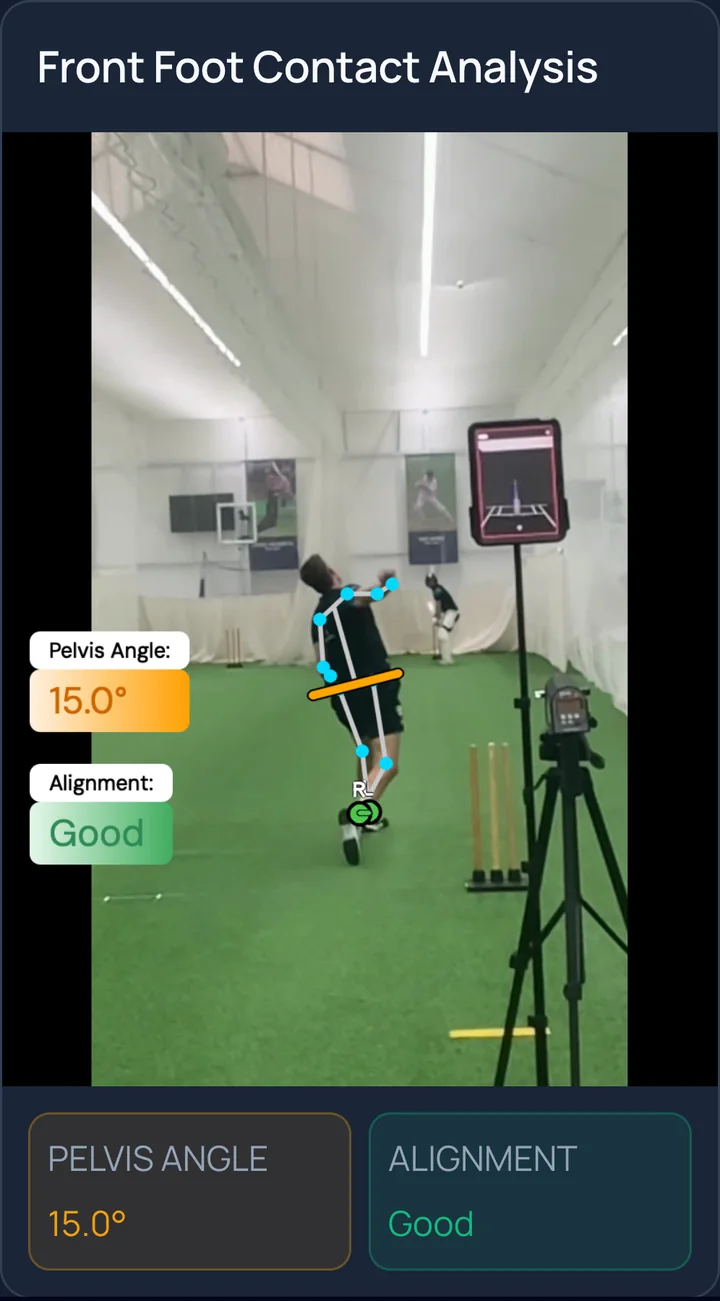
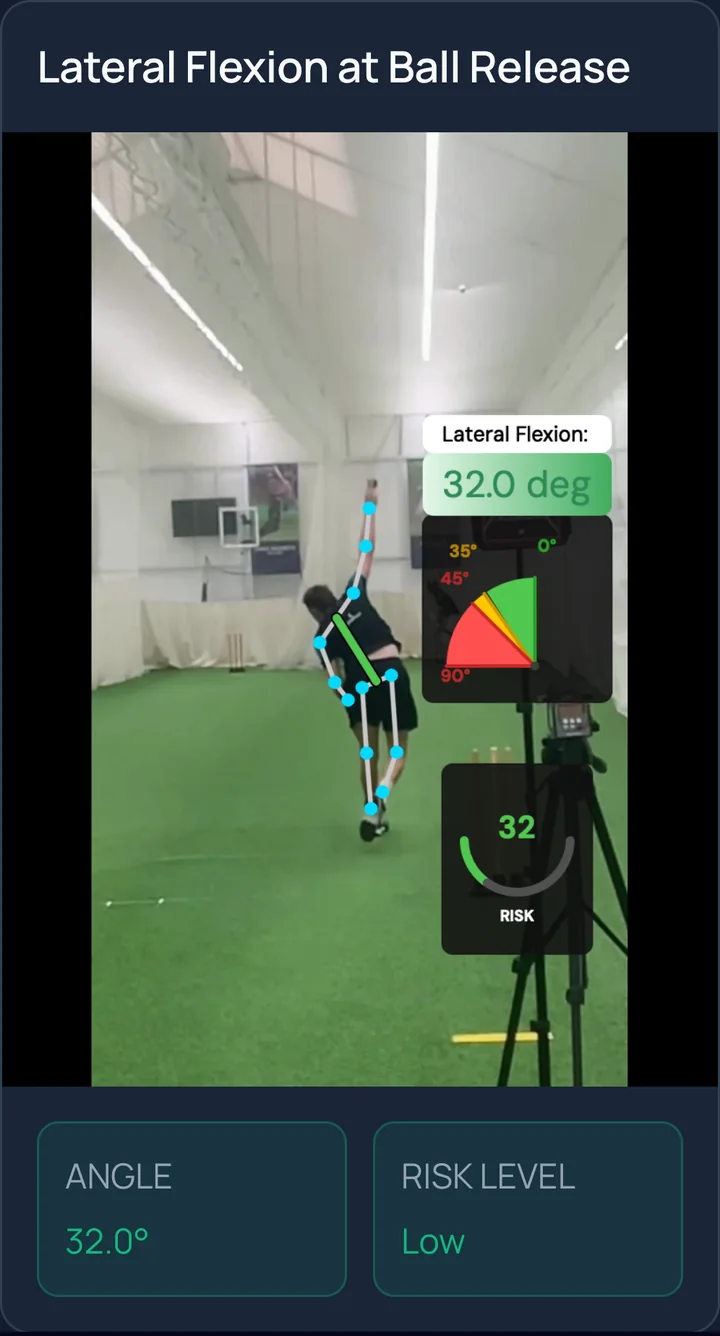
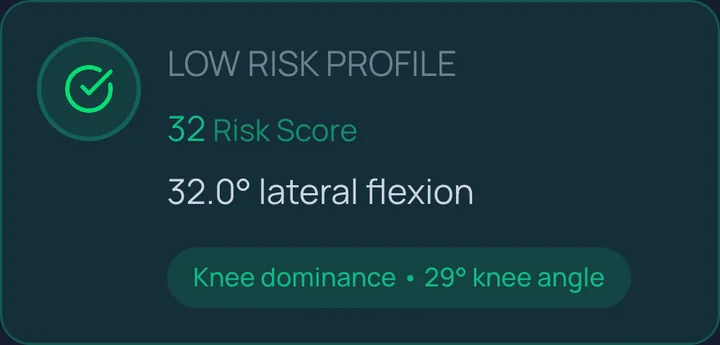
A screening tool, not a medical diagnosis.
For coaches
Your whole squad in one place: every bowler's speed, zones and risk, side by side.
- Add your bowlers one by one or all at once, and invite them in
- See who needs attention first
- Rank the squad on speed and technique, and compare any bowlers
- Squad and progress reports to share
Trusted by academies and clubs










35,490,000 total bowler joints tracked.