Research · 9 October 2026 · 3 min read
Where bowlers lose pace, at every speed
The most common technique leaks in each speed band.
Every Pitchwolf report scores 11 parts of your action. We grouped hundreds of real analyses by ball speed and counted which measurements most often scored among a bowler's three weakest.
The leaks change as bowlers get quicker. Slower bowlers lose pace before they reach the crease. Quicker bowlers lose it at the crease.
Bowling under 100 km/h
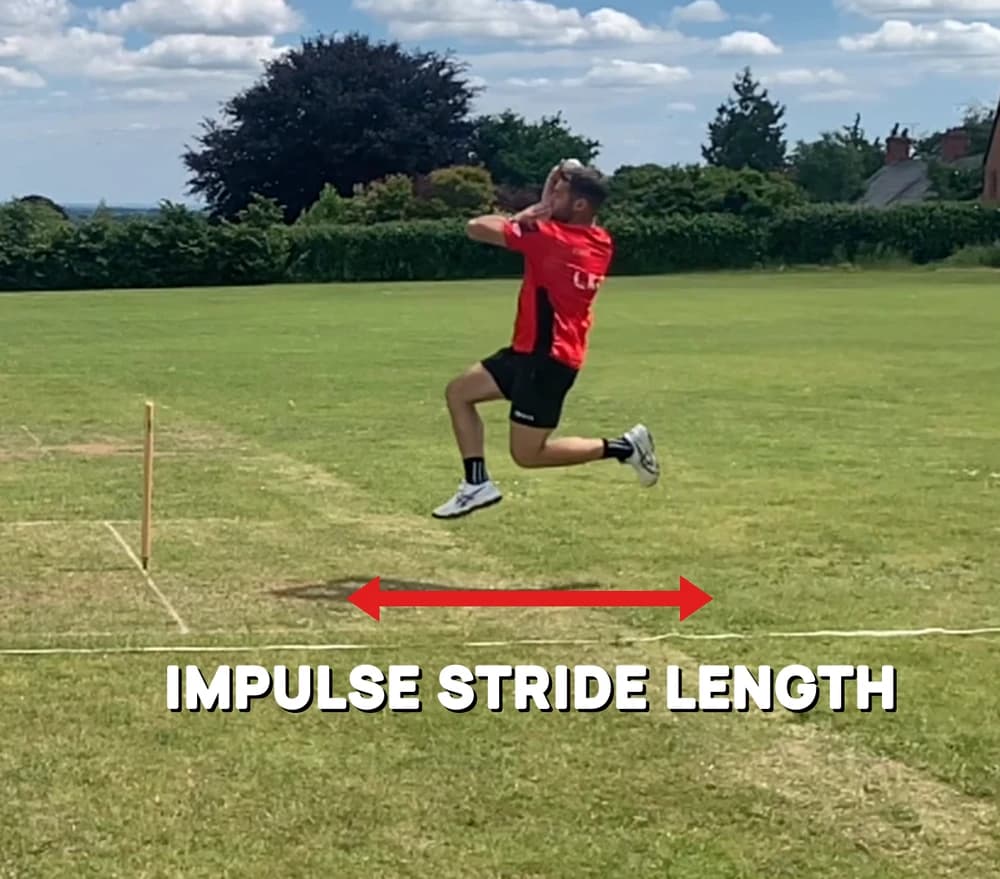 39%Short stride into the jump
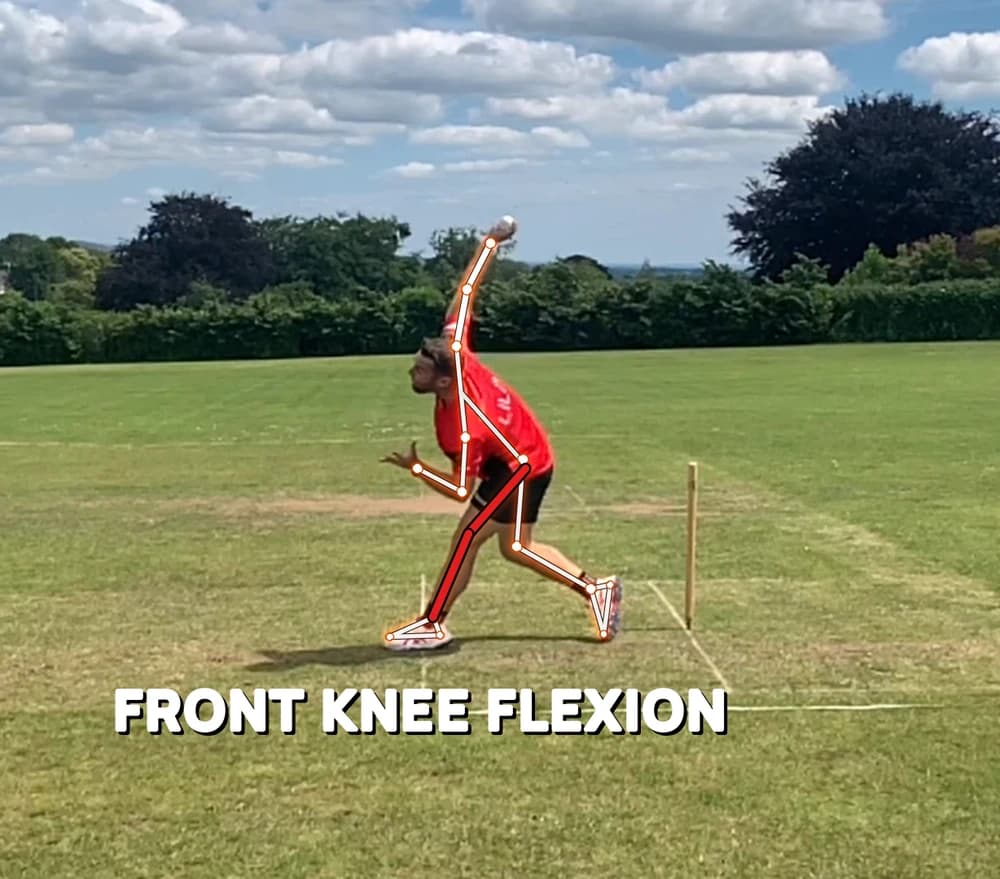 38%Front knee bending
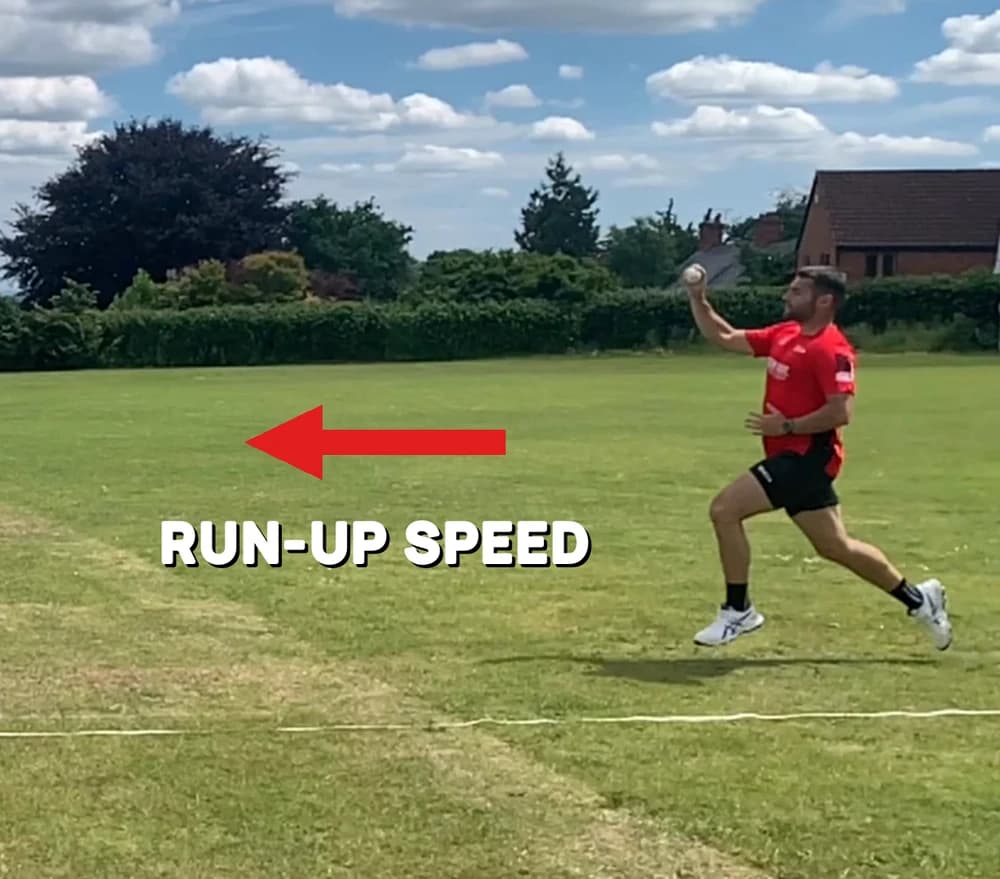 35%Slow run-up
Bowling 100 to 110 km/h
- 43%Front knee bending
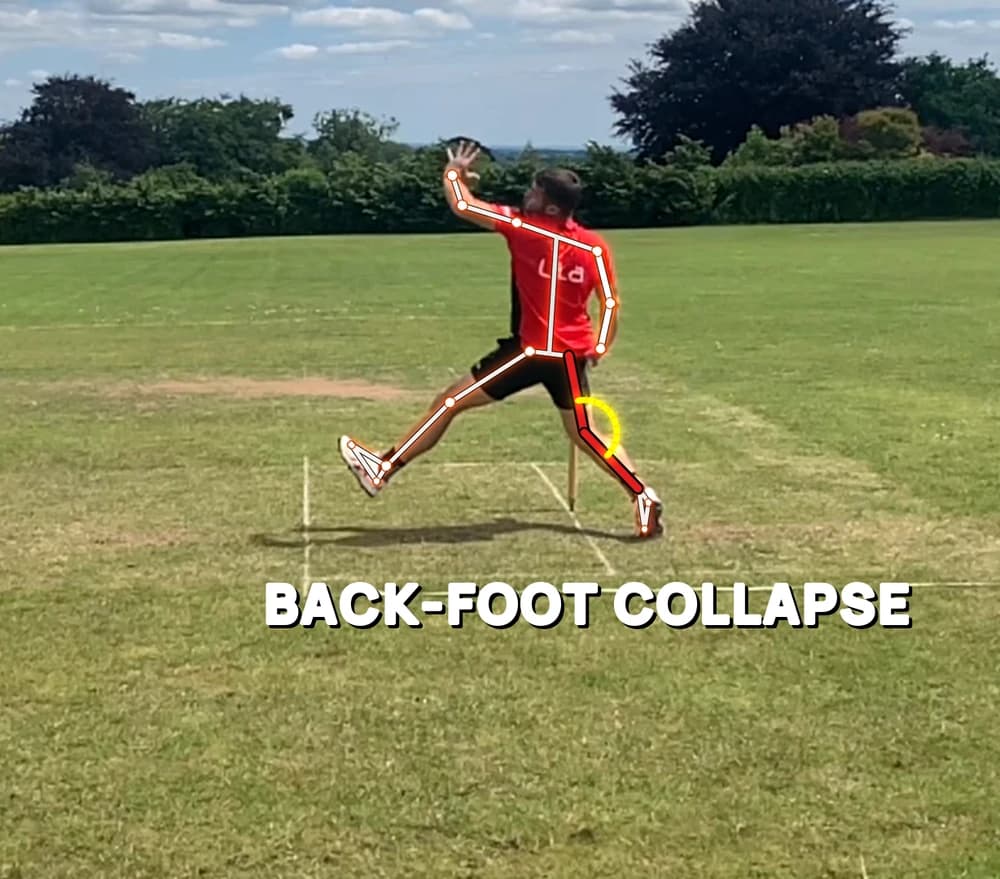
- 39%Back leg collapsing
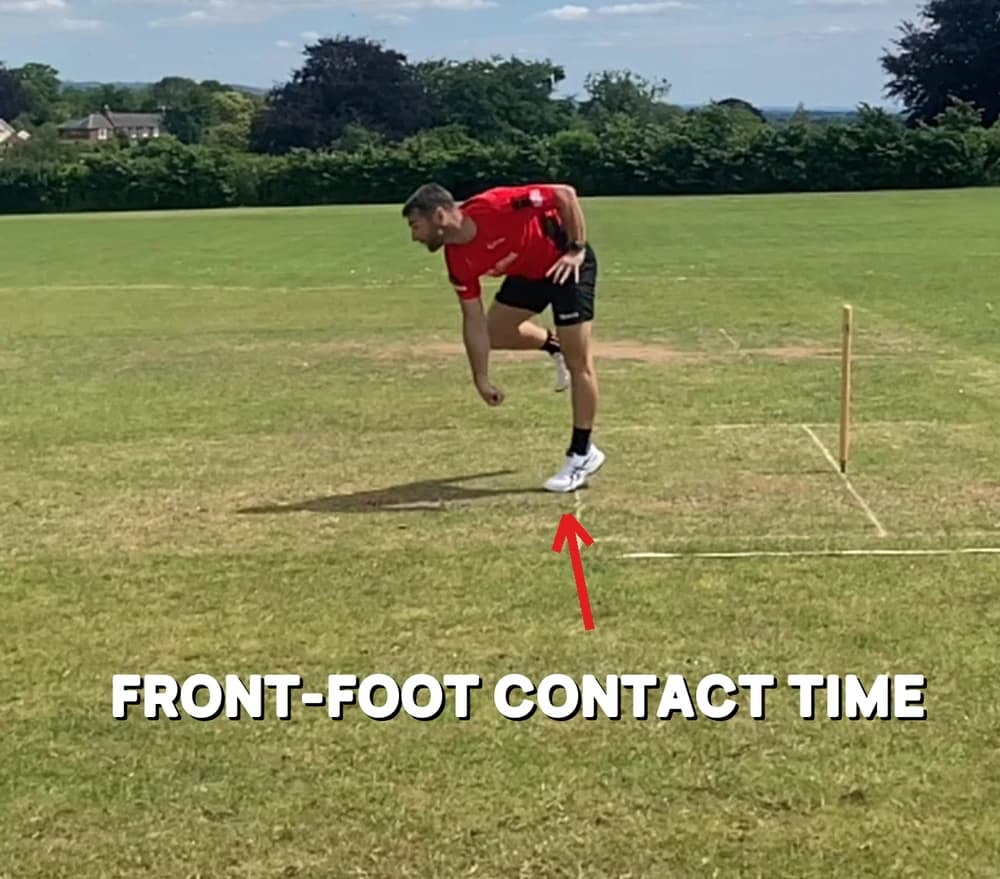 36%Front leg not braced long enough
Bowling 110 to 120 km/h
- 53%Front leg not braced long enough
- 49%Back leg collapsing
- 38%Front knee bending
Bowling 120 to 130 km/h
- 47%Front leg not braced long enough
- 43%Back leg collapsing
- 42%Front knee bending
Bowling 130 km/h and up
- 62%Front leg not braced long enough
- 56%Back leg collapsing
- 29%Front knee bending
Share of analyses at that speed where the measurement scored among the bowler's three weakest.
What the pattern says
- Under 100 km/h, the approach is the gap: the stride into your jump and your run-up speed.
- From 100 km/h up, the back leg and the front foot take over.
- The front knee shows up at every speed. A knee that bends after landing leaks pace whoever you are.
These are patterns across many bowlers. Your own three can be different, and that is the point of filming yours.