
Every ball measured: the NZC Youth Fast Bowling Challenge
Enter through Yorker, film your fastest ball and see how Pitchwolf measures it.

- 1st129.0 km/h
- 2nd122.7 km/h
- 3rd121.4 km/h
- 4th113.9 km/h
- 5th112.3 km/h
New Zealand Cricket has brought back its fast bowling challenge. Boys and girls aged 15 to 18 film their fastest ball on a phone, and the quickest bowl at the Basin Reserve during an international match.
In the original challenge in 2008, Lockie Ferguson finished second to Jimmy Neesham, both over 130 km/h. This time Lockie fronts it with the Yorker app, and Pitchwolf measures the speed of every ball entered.
- Who
- Boys and girls aged 15 to 18 on 1 October 2026, living in New Zealand
- How to enter
- Film your deliveries in the Yorker app. Enter as many balls as you like.
- Cost
- Free. A parent or guardian has to agree.
- The final
- The fastest five in each group, plus a wildcard, bowl at the Basin Reserve in Wellington.
- When
- Boys: 21 November, at lunch on day 3 of the first Test against India. Girls: 18 December, in the innings break of the first ODI against Bangladesh.
- Prizes
- A signed replica shirt, a one-on-one coaching session and four tickets for 2027. Finalists are flown to Wellington.
How your speed is measured
- Step 1Film it in the Yorker app
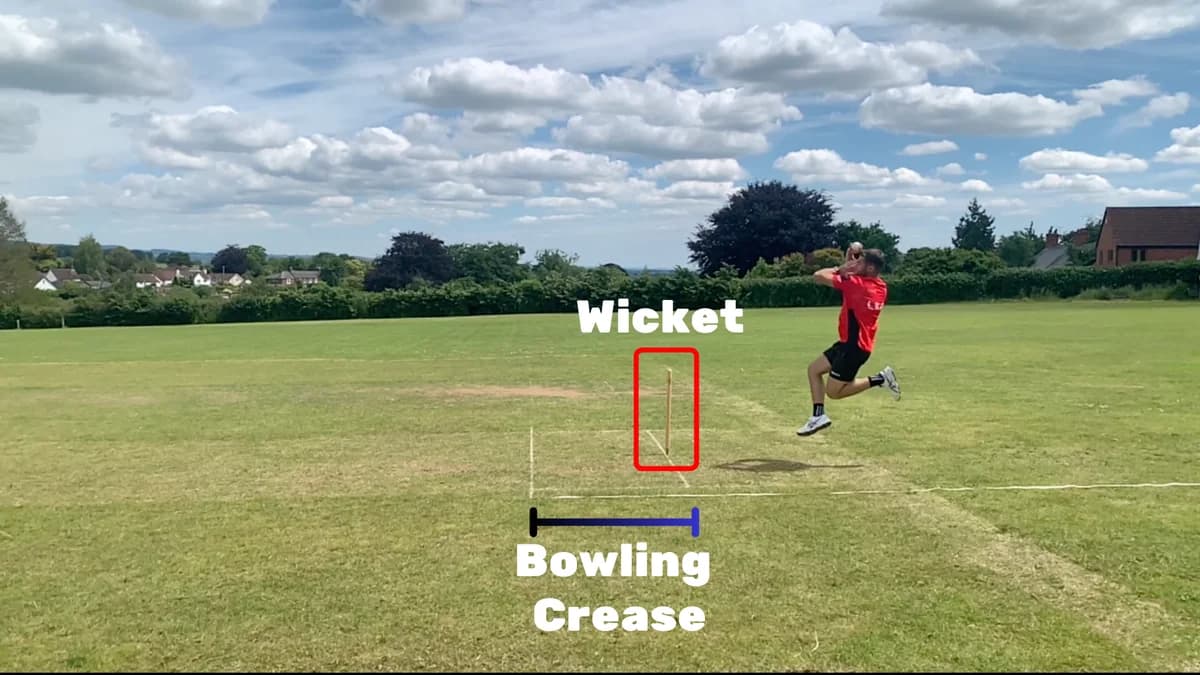
Side-on, in slow motion at 240 frames a second, with the stumps and crease in the picture.
- Step 2It comes to Pitchwolf
Every ball you enter is sent to us to measure its speed.
- Step 3A person checks it
Our team reviews every delivery before the speed goes back.
- Step 4Your speed comes back
Your speed and a slow-motion replay land in the app, and the fastest go on the leaderboard.
“With video capturing side-on at 240 frames per second, we believe the data is really accurate and reliable.”
The first week
- 1st129.0 km/h
- 2nd122.7 km/h
- 3rd121.4 km/h
- 4th113.9 km/h
- 5th112.3 km/h
Entries are still open, and every new ball can change the order.
How to film your fastest ball
- Side-on to the crease, phone in landscape and held still.
- Slow motion on, at 240 frames a second.
- The stumps and the crease in the picture, so the ball's flight can be measured.
- One ball per clip, in good light and not into the sun.
Where the extra pace comes from
Speed is built through the whole action, not just the arm. We looked at hundreds of real Pitchwolf analyses to see which parts most often hold bowlers back at each speed.
Bowling under 100 km/h
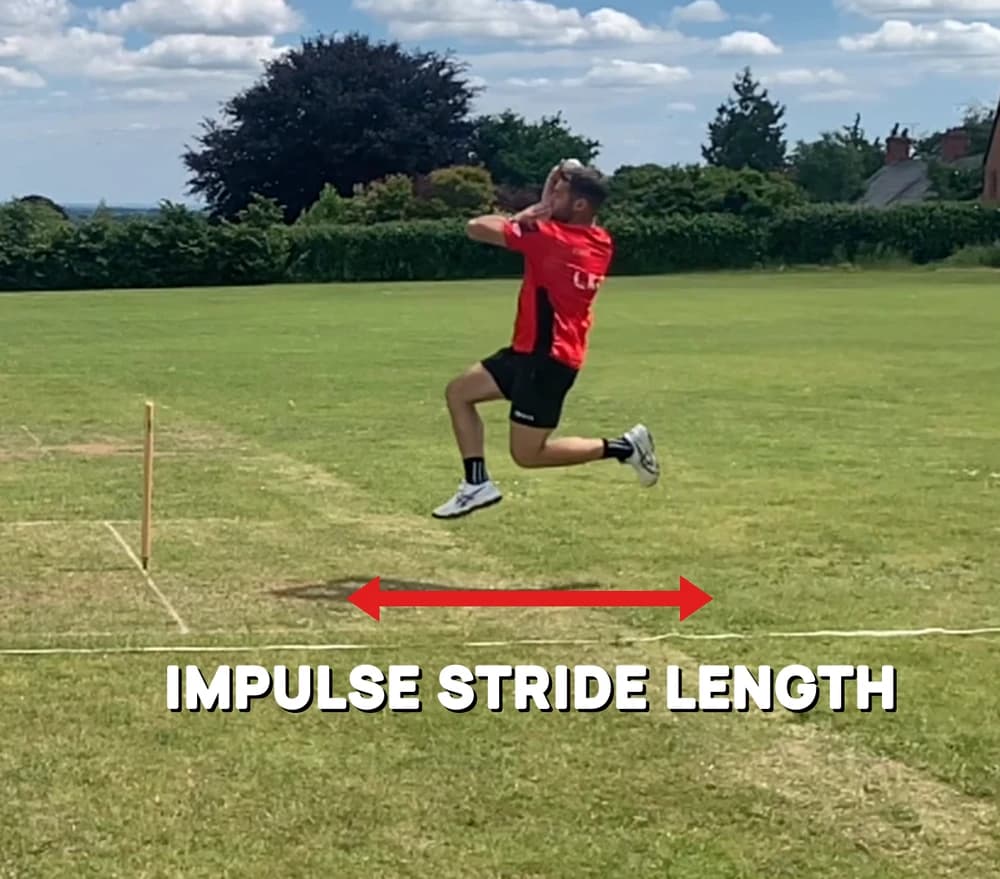 39%Short stride into the jump
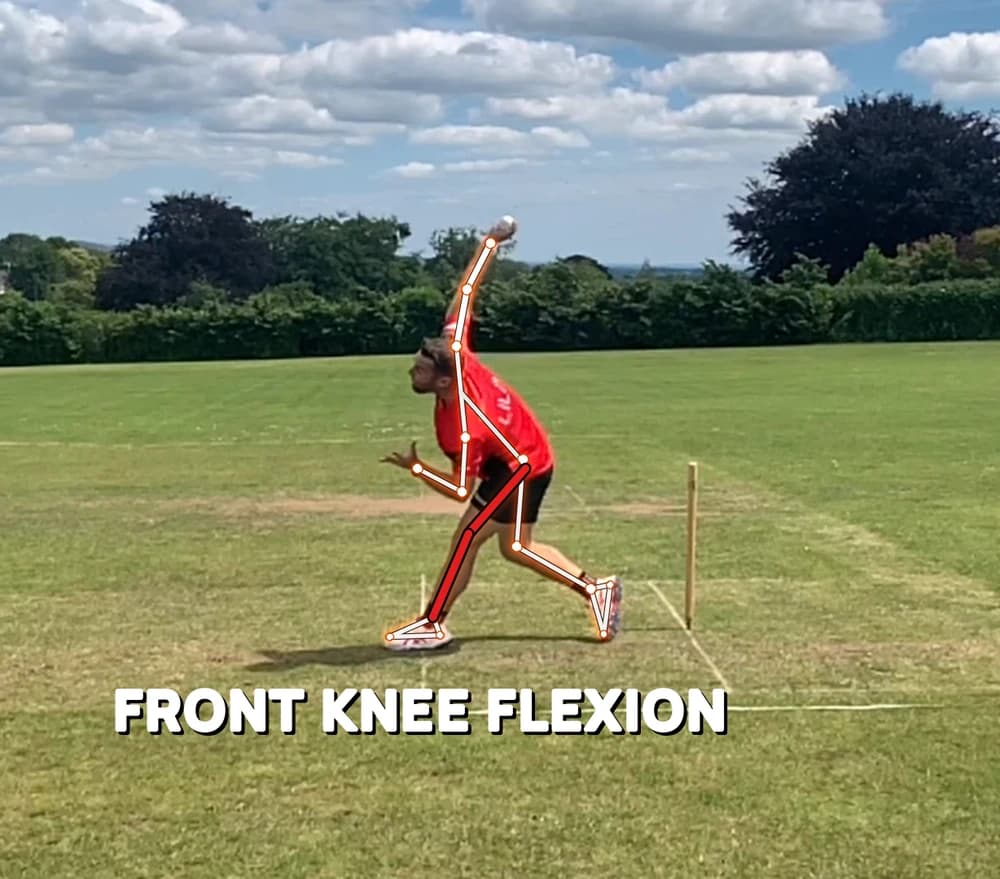 38%Front knee bending
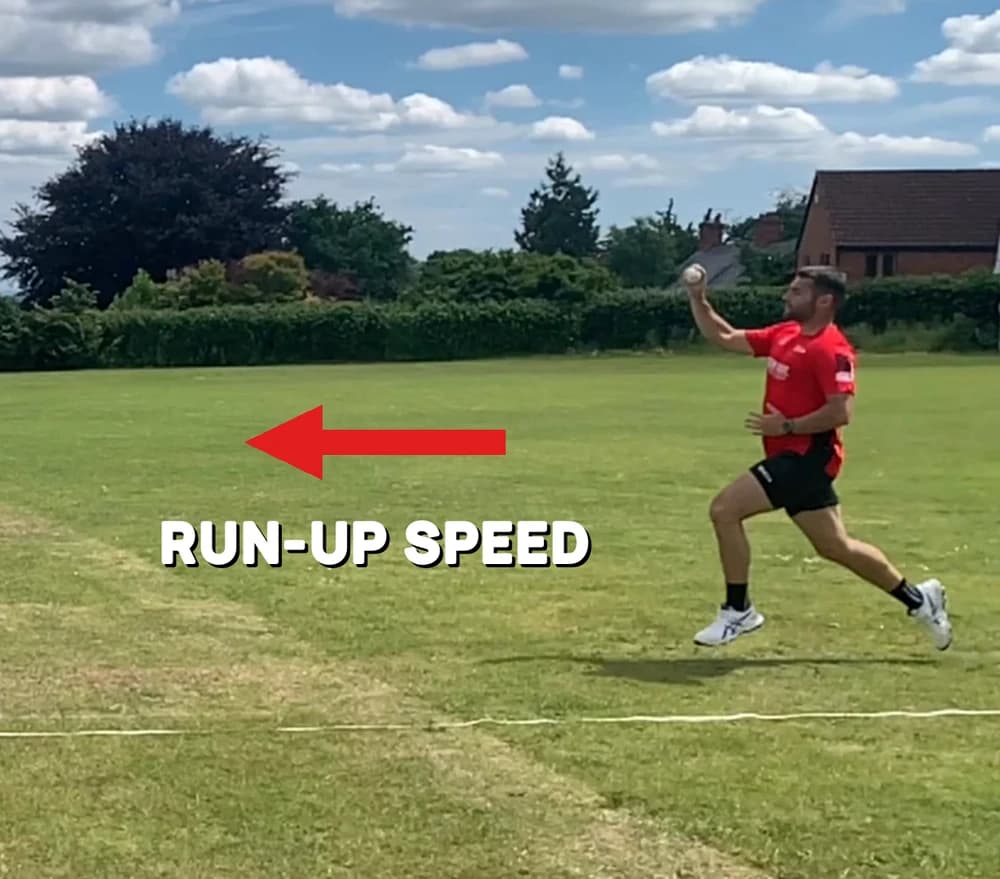 35%Slow run-up
Bowling 100 to 110 km/h
- 43%Front knee bending
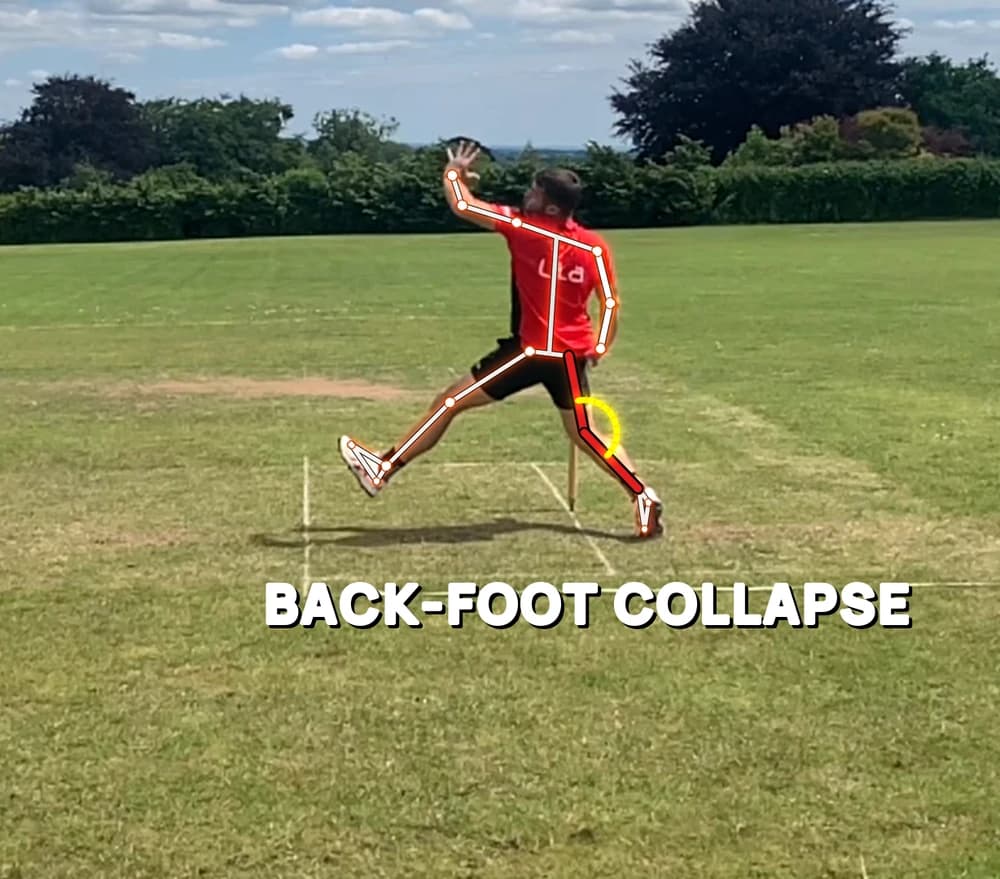 39%Back leg collapsing
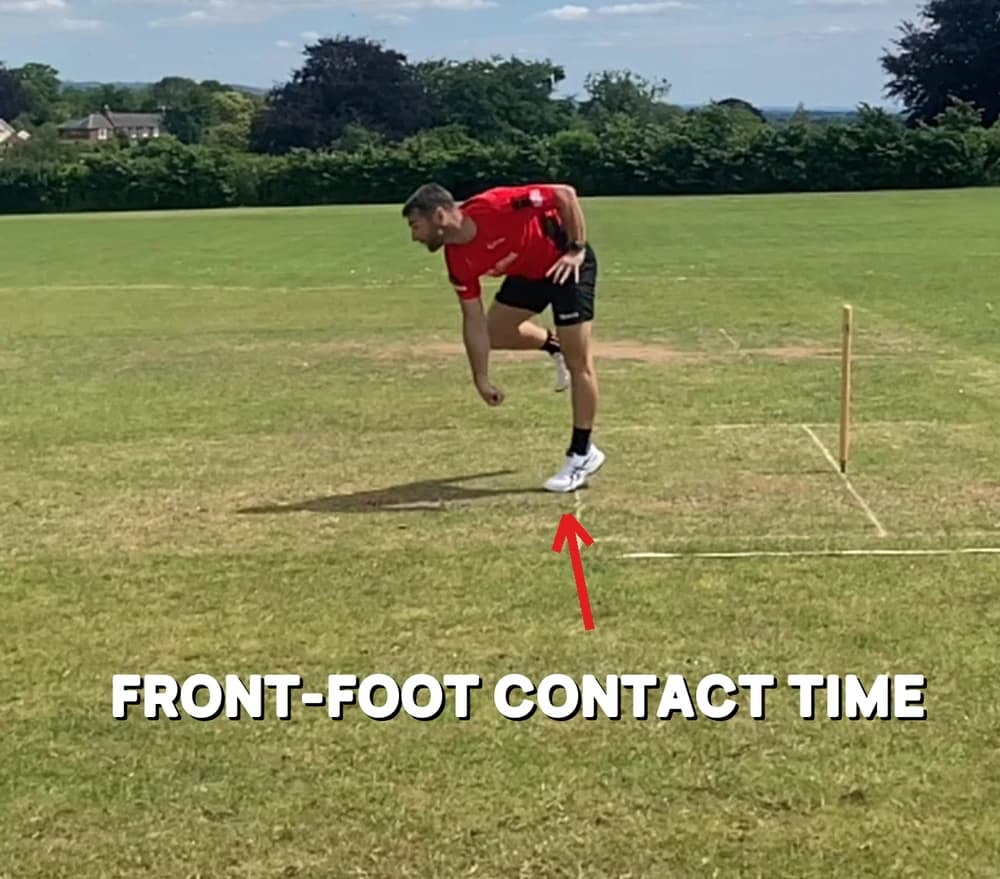 36%Front leg not braced long enough
Bowling 110 to 120 km/h
- 53%Front leg not braced long enough
- 49%Back leg collapsing
- 38%Front knee bending
Bowling 120 to 130 km/h
- 47%Front leg not braced long enough
- 43%Back leg collapsing
- 42%Front knee bending
Bowling 130 km/h and up
- 62%Front leg not braced long enough
- 56%Back leg collapsing
- 29%Front knee bending
Share of analyses at that speed where the measurement scored among the bowler's three weakest.
A Pitchwolf analysis shows you your own three, each with a drill.
Bowl fast for longer
“We want to bowl safely, because the longer you stay on the park, the faster you'll get over time.”
Pitchwolf's daily log takes three taps a session and puts your balls this week next to your usual week, so you can see a big week coming.